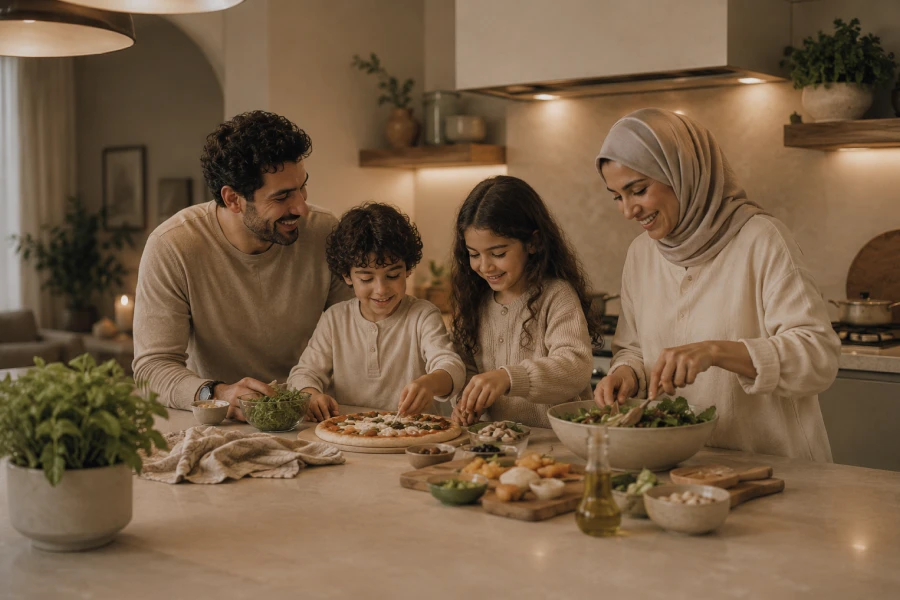
Family bonding activities can give an ordinary weekend more meaning without requiring elaborate plans. Children remember the feeling of shared attention more than the cost of an outing. Parents often assume connection needs extra time they do not have. In reality, simple experiences can create strong emotional memories. Cooking, walking, building, or playing together all invite natural conversation. A collection of weekend family activities helps families begin without overthinking. The activity provides structure, but the interaction creates the value. Everyone gets a chance to participate in a shared moment. These experiences also interrupt the isolation of separate screens and schedules. Over time, small traditions become part of the family’s identity.
Complicated plans often create more stress than connection. Parents may spend hours organizing an experience that children barely notice. Simple activities leave more emotional energy for being present. A short walk can invite better conversation than a crowded attraction. Preparing one snack together can feel more collaborative than a formal project. The lower pressure also helps reluctant children participate. Families can use at home family activities when weather or energy limits bigger plans. Familiar surroundings often make children more relaxed. Parents can focus on the interaction instead of logistics. Simplicity gives the experience enough space to feel genuine, flexible, and enjoyable.
Trust grows through repeated moments of attention, cooperation, and follow-through. Shared activities create natural opportunities for all three. A parent listens to an idea and takes it seriously. A child sees that their contribution changes the outcome. Siblings practice taking turns without a formal lesson. Small disagreements can become manageable chances to repair. A set of family teamwork exercises can make cooperation feel playful. The family learns how each person approaches challenges. Success matters, but the process reveals even more. Every respectful interaction adds another layer of confidence in the relationship.
Families often postpone meaningful time until vacations, holidays, or birthdays. That pattern places too much pressure on rare events. Everyday connection creates a stronger foundation because it happens more often. Ten focused minutes can carry surprising emotional weight. A shared joke during cleanup can become a favorite memory. Children notice when parents step into their world without distraction. The moment does not need to look impressive from the outside. It only needs genuine attention. Ordinary experiences also feel easier to repeat. Repetition turns connection from an occasional reward into a dependable part of family life.
Not every family member connects in the same way. One child may love active games, while another prefers quiet projects. Parents often enjoy conversation, but children may open up while doing something else. Variety helps everyone find a comfortable entry point. An outdoor child may respond to a walk or scavenger hunt. A creative child might prefer drawing, cooking, or building. Families can rotate choices so one personality does not dominate. This approach also teaches curiosity about one another. Participation becomes more inclusive when preferences receive respect. The family develops a wider language of connection that works across moods and ages.
Forced fun rarely creates the closeness parents hope to build. Children can sense when an activity becomes another demand. Invitations work better than pressure. Parents can offer two choices and accept reasonable hesitation. A reluctant child may join after watching for a few minutes. Adults should avoid turning every activity into a lesson. Competition also needs careful handling when siblings struggle with losing. The atmosphere matters more than perfect participation. Warmth, humor, and flexibility keep the experience emotionally safe. When children feel respected, they become more willing to return for the next shared moment.
Connection becomes sustainable when it fits the existing family rhythm. A weekly tradition can begin with only twenty minutes. Families might choose Friday snacks, Sunday walks, or midweek game time. The schedule matters less than the reliability. Parents should select a time that rarely creates conflict. A visible reminder can help everyone anticipate the moment. The activity can rotate while the time stays stable. Children often enjoy choosing the next option. Consistency turns the experience into something the family protects together. Eventually, the tradition requires less planning because it becomes a familiar and valued part of the week.


Leave a comment